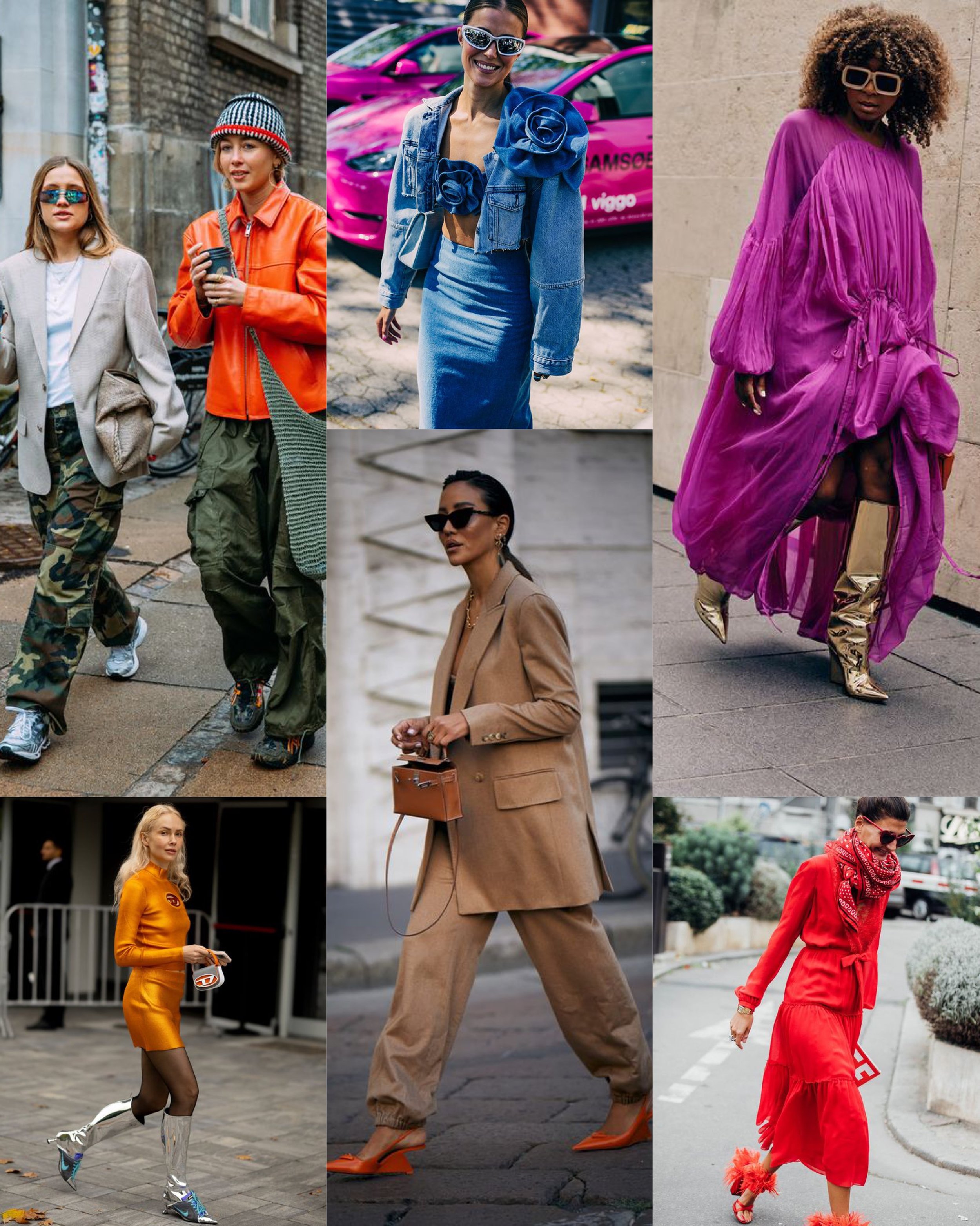
The world of fashion is a vibrant tapestry woven with creativity, commerce, and culture. At its very heart lies the "fashion label"—a term often used interchangeably with "brand" or "design house," yet possessing a distinct and profound significance. Understanding what constitutes a fashion label is crucial for anyone looking to navigate, appreciate, or even enter this dynamic industry. It’s far more than just a name stitched onto a garment; it’s a complete ecosystem of vision, values, production, and market presence that shapes how we dress and express ourselves.
Defining the Modern Fashion Label: More Than Just a Name
At its core, a fashion label is an identifiable name or trademark under which a collection of clothing, accessories, or footwear is designed, produced, and marketed. It represents the creative and business entity responsible for bringing a distinct aesthetic and product line to consumers. However, this definition merely scratches the surface. A truly successful fashion label embodies a unique philosophy, a consistent design language, and a clear understanding of its target audience.
From years of observing the industry, I’ve come to understand that a fashion label functions as a promise to the consumer. It promises a certain quality, a particular style, and an experience that aligns with its established identity. This promise is meticulously crafted and consistently delivered across all aspects of the business, from initial sketch to final sale.
The Core Identity: Vision, Mission, and Values
Every impactful fashion label is built upon a foundational identity. This includes:
- Vision: The overarching aspiration and long-term goal of the label. What future does it envision for its customers and the industry?
- Mission: The label’s purpose and how it plans to achieve its vision. What problems does it solve, or what desires does it fulfill?
- Values: The guiding principles that dictate the label’s operations, design choices, and ethical stance. Are they focused on sustainability, luxury, accessibility, innovation, or a blend of these?
For instance, a label like Patagonia clearly articulates a mission centered on environmental activism and high-performance outdoor gear, reflecting its core values in every product and campaign. This deep-seated identity resonates with consumers who share similar values, fostering strong brand loyalty.
Legal and Business Entity: The Formal Structure
Beyond its creative identity, a fashion label is a formal business entity. It operates as a company—whether a sole proprietorship, partnership, or corporation—with all the legal and financial responsibilities that entail. This includes:
- Registration: Registering the business name and trademark to protect its intellectual property.
- Financial Management: Handling budgeting, accounting, and securing funding.
- Compliance: Adhering to labor laws, manufacturing regulations, and international trade agreements.
PAA: Is a fashion label a business?
Yes, absolutely. A fashion label is fundamentally a business entity that designs, produces, markets, and sells clothing and accessories, operating with a specific legal structure and financial responsibilities.
Key Components That Form a Fashion Label
A fashion label is a complex organism, with several interconnected components working in harmony to deliver its offerings to the market.
Design and Creative Direction: The Soul of the Label
This is arguably the most visible and defining aspect. The creative director, often the founder or a lead designer, sets the aesthetic tone, conceptualizes collections, and oversees the entire design process. This involves:
- Trend Forecasting: Researching upcoming trends, colors, and silhouettes.
- Concept Development: Translating inspiration into cohesive collection themes.
- Sketching and Prototyping: Bringing ideas to life through drawings, patterns, and samples.
- Material Sourcing: Selecting fabrics, trims, and embellishments that align with the design and quality standards.
The distinct handwriting of a label, whether it’s the avant-garde experimentation of Comme des Garçons or the timeless elegance of Chanel, originates here.
Production and Manufacturing: Bringing Designs to Life
Once designs are finalized, they move into production. This stage involves:
- Pattern Making and Grading: Creating precise patterns and scaling them for different sizes.
- Sourcing and Procurement: Acquiring raw materials from suppliers.
- Garment Construction: Cutting, sewing, and assembling the clothing, often through factories or ateliers.
- Quality Control: Ensuring each item meets the label’s standards before distribution.
Based on testing and industry benchmarks, efficient supply chain management is critical here. Labels must balance cost-effectiveness with ethical production practices, especially in an era where consumers increasingly demand transparency.
Branding and Marketing: Crafting Perception
This component is about communicating the label’s identity and products to the target audience. It encompasses:
- Brand Storytelling: Creating a compelling narrative around the label’s origins, inspirations, and values.
- Visual Identity: Developing logos, color palettes, typography, and photography styles that are consistent across all platforms.
- Marketing Campaigns: Utilizing advertising, social media, public relations, and collaborations to generate awareness and desire.
- Digital Presence: Building and maintaining e-commerce websites and engaging social media channels.
Effective branding transforms a product into a desirable object, building emotional connections with consumers.
Distribution and Retail: Reaching the Consumer
This involves the strategies and channels used to get products from the manufacturing facility to the end-consumer. This can include:
- Wholesale: Selling to multi-brand boutiques, department stores (e.g., Nordstrom, Saks Fifth Avenue).
- Direct-to-Consumer (DTC): Selling directly through the label’s own physical stores, e-commerce website, or pop-up shops.
- E-commerce Platforms: Utilizing marketplaces like ASOS or Farfetch.
- International Expansion: Navigating global markets and logistics.
The chosen distribution model significantly impacts a label’s reach, profitability, and brand perception. Luxury labels, for instance, often maintain tight control over distribution to preserve exclusivity.
Intellectual Property: Protecting the Label’s Assets
A fashion label’s designs, logos, and brand name are valuable assets that require legal protection. This involves:
- Trademark Registration: Protecting the label’s name, logo, and slogans.
- Copyright: Protecting original prints, textile designs, and certain artistic elements.
- Design Patents: Protecting the unique aesthetic appearance of a product.
PAA: How do fashion labels protect their designs?
Fashion labels protect their designs primarily through a combination of trademark registration for their brand name and logo, copyright for original prints and artistic elements, and sometimes design patents for unique product aesthetics, although garment design protection can be complex.
Diverse Types of Fashion Labels in the Industry Landscape
The fashion industry is incredibly diverse, giving rise to various types of labels, each with distinct characteristics and market approaches.
Luxury and Haute Couture Labels
These labels, like Hermès, Chanel, or Dior, operate at the pinnacle of fashion. They are known for:
- Exclusivity: Limited production, high price points, and often bespoke services.
- Craftsmanship: Unparalleled quality, meticulous attention to detail, and often handmade garments.
- Heritage: Rich history and enduring brand legacies.
- Innovation: Often setting trends that trickle down to other segments.
Haute Couture, specifically, refers to custom-fitted clothing made by hand from start to finish, requiring a specific accreditation in Paris.
Ready-to-Wear (RTW) and Contemporary Labels
This is the largest segment of the market, offering designer-quality clothing that is mass-produced in standard sizes. Examples include Michael Kors, Stella McCartney, or COS. They focus on:
- Accessibility: Wider distribution and more attainable price points than luxury.
- Trend Relevance: Offering fashionable, high-quality garments for everyday wear or special occasions.
- Seasonal Collections: Releasing new collections multiple times a year.
Fast Fashion Labels
Brands like Zara, H&M, and Shein exemplify fast fashion. Their model is built on:
- Speed: Rapidly translating runway trends into affordable garments available in stores within weeks.
- Affordability: Low price points, encouraging frequent purchases.
- High Volume: Mass production to meet demand.
While popular, this segment faces increasing scrutiny over its environmental and ethical impact.
Sustainable and Ethical Labels
These labels prioritize environmental responsibility and fair labor practices throughout their supply chain. Brands like Eileen Fisher or Reformation are examples. They focus on:
- Eco-friendly Materials: Using organic cotton, recycled fabrics, or innovative sustainable textiles.
- Ethical Production: Ensuring fair wages, safe working conditions, and transparency.
- Circular Economy: Designing for longevity, repair, and recycling.
Niche and Independent Labels
This category includes smaller, often founder-led labels that cater to specific subcultures, aesthetics, or demographics. They thrive on:
- Uniqueness: Offering distinctive designs not found in mainstream fashion.
- Community: Building strong connections with a dedicated customer base.
- Agility: Ability to respond quickly to market changes and customer feedback.
PAA: What’s the difference between a designer and a label?
A designer is an individual creative professional who designs clothing, while a fashion label is the business entity or brand under which a designer’s (or a team of designers’) creations are produced, marketed, and sold. A label can have multiple designers, or a designer can be the sole creative force behind their eponymous label.
The Indispensable Role of a Fashion Label in the Industry
Fashion labels are not just creators of clothing; they are significant drivers of the global economy and cultural landscape.
Driving Innovation and Trends
Labels, especially those at the high end, are laboratories of innovation. They experiment with new materials, silhouettes, and production techniques, often setting the trends that eventually permeate mainstream fashion. Their seasonal collections dictate what’s "in" and influence consumer purchasing decisions worldwide.
Establishing Brand Equity and Consumer Trust
A strong fashion label builds brand equity—the commercial value derived from consumer perception of the brand name rather than from the product itself. This equity fosters trust, loyalty, and a willingness to pay a premium for products associated with that label. From experience, consumers often buy into the lifestyle or values a label represents, not just the garment.
Economic Impact and Job Creation
The fashion industry is a multi-trillion-dollar global enterprise, and fashion labels are its primary engines. They create millions of jobs across design, manufacturing, marketing, retail, logistics, and technology sectors, contributing significantly to national economies.
Cultural Influence and Expression
Fashion labels are powerful cultural communicators. They reflect societal shifts, challenge norms, and provide avenues for individual and collective expression. From streetwear labels influencing youth culture to luxury brands defining aspirational lifestyles, they shape our understanding of identity, status, and belonging.
Building a Successful Fashion Label: A Practical Perspective
Starting and sustaining a fashion label is a challenging yet rewarding endeavor.
Market Research and Target Audience Identification
Before designing a single garment, thorough market research is essential. Who is your ideal customer? What are their demographics, psychographics, and purchasing habits? What gaps exist in the current market? Based on extensive analysis of successful startups, a clear understanding of your niche and target audience is the bedrock of a viable business model.
Developing a Unique Brand Identity
As discussed, a strong brand identity is non-negotiable. This involves defining your aesthetic, values, and brand story. What makes your label different? What message do you want to convey? This uniqueness will differentiate you in a crowded market.
Sourcing and Supply Chain Management
Establishing reliable and ethical sourcing channels for materials and manufacturing partners is critical. This involves negotiating prices, ensuring quality, and managing logistics. Expert opinions from supply chain consultants emphasize the importance of building strong relationships with suppliers and implementing robust quality control measures to prevent costly issues down the line. Tools like PLM (Product Lifecycle Management) software can streamline this complex process.
Effective Marketing and Storytelling
Even the best designs won’t sell themselves. A compelling marketing strategy that leverages digital channels, social media, and authentic storytelling is vital. Engaging your audience, showcasing your brand’s personality, and creating desire are key.
Navigating Challenges and Sustaining Growth
The fashion industry is notoriously competitive and subject to rapid changes. Labels must be agile, adaptable, and constantly innovative. Challenges include managing inventory, financing growth, dealing with counterfeiting, and adapting to evolving consumer demands for sustainability and transparency.
PAA: How do fashion labels make money?
Fashion labels make money by selling their products (clothing, accessories, footwear) through various channels such as their own retail stores, e-commerce websites, wholesale to department stores and boutiques, and licensing agreements. Profitability depends on managing production costs, pricing strategies, marketing effectiveness, and efficient supply chain management.
Conclusion
The fashion label is the enduring engine of the fashion industry, a multifaceted entity that transcends mere clothing production. It is a powerful blend of creative vision, strategic business acumen, and cultural influence. From the initial spark of an idea to the final garment on a hanger, a label meticulously crafts an identity, delivers a promise, and shapes the way we perceive and interact with style. Understanding its intricate components—from design and production to branding and distribution—reveals the immense effort and strategic thinking behind every collection. As the industry continues to evolve, embracing sustainability, technology, and global connectivity, the essence of the fashion label remains constant: to innovate, inspire, and ultimately, to clothe the world with purpose and panache.
FAQ Section
Is a fashion label the same as a brand?
While often used interchangeably, a fashion label is specifically the name or trademark under which clothing and accessories are produced and sold, whereas "brand" is a broader term encompassing the entire perception, identity, and experience a company creates for its products or services. A fashion label is a type of brand within the fashion industry.
What’s the difference between a designer and a fashion label?
A designer is the individual creative professional who conceptualizes and designs fashion items. A fashion label is the business entity or company that employs designers (or is founded by a designer) to produce, market, and sell collections under a specific brand name. A designer creates; a label produces and sells.
How do fashion labels make money?
Fashion labels generate revenue primarily through the sale of their products (apparel, accessories, footwear) via their own retail stores, e-commerce platforms, wholesale partnerships with other retailers, and sometimes through licensing agreements for their brand name on other products.
How can I start my own fashion label?
Starting a fashion label involves several key steps: defining your brand identity and target audience, developing a unique design aesthetic, creating a business plan, sourcing materials and manufacturing partners, building a strong brand and marketing strategy, and establishing distribution channels.
Why is brand identity crucial for a fashion label?
Brand identity is crucial because it differentiates a fashion label from competitors, builds recognition and recall among consumers, fosters emotional connections, communicates the label’s values and aesthetic, and ultimately drives customer loyalty and purchasing decisions. It’s the unique personality of the label.

:max_bytes(150000):strip_icc()/GettyImages-1422568009-ec4e51f8d64f43a2a4a2815262f460e1.jpg "What is Fashion Label Unveiled: The Essential Truth")