Italian designer lighting has long transcended mere illumination, evolving into an art form that sculpts spaces, evokes emotions, and defines modern luxury. With a heritage steeped in unparalleled craftsmanship and a relentless drive for innovation, Italy continues to lead global trends, blending cutting-edge technology with timeless aesthetic principles. From the vibrant ateliers of Milan to the glass furnaces of Murano, Italian designers are constantly pushing boundaries, creating fixtures that are not just lights, but statement pieces, technological marvels, and sustainable solutions. This article delves into the most compelling Italian designer lighting trends captivating the industry today, offering first-hand insights and expert perspectives to illuminate the path forward.
The Enduring Legacy of Italian Lighting Design
The allure of Italian lighting is deeply rooted in a rich history where art, architecture, and engineering converge. For centuries, Italian artisans have been masters of light, from the intricate mosaics of ancient Rome to the breathtaking stained glass of the Renaissance. This legacy matured into a global phenomenon in the 20th century, cementing Italy’s reputation as the epicenter of design.
A Heritage of Craftsmanship and Innovation
Italian lighting design blossomed post-WWII, driven by a period of fervent creativity and industrial growth. Iconic brands like Flos, Artemide, and Foscarini emerged, transforming functional objects into design masterpieces. The legendary Murano glass tradition, with its centuries-old techniques of blowing and shaping glass, provides a foundational pillar, ensuring that many contemporary designs still carry the whisper of artisanal excellence. This blend of historic craftsmanship with a forward-thinking embrace of new materials and manufacturing processes is a hallmark of Italian design.
Why Italian Design Continues to Captivate
The magnetic appeal of Italian designer lighting stems from its ability to perfectly balance form and function, often with an audacious flair. It’s about more than just lighting a room; it’s about creating an atmosphere, expressing personality, and investing in pieces that are both visually stunning and built to last. From experience, clients are not just buying a light fixture; they are acquiring a piece of art, a conversation starter, and an heirloom. This commitment to quality, aesthetic integrity, and enduring style ensures Italian designs remain highly coveted worldwide.
Key Italian Lighting Trends Dominating 2024-2025
The current landscape of Italian designer lighting is a dynamic interplay of sustainability, smart technology, sculptural artistry, and a renewed appreciation for decorative grandeur. These trends reflect a deeper societal shift towards conscious living, personalized environments, and a desire for objects that tell a story.
Sustainable Illumination: Eco-Conscious Brilliance
Sustainability is no longer a niche concern but a core philosophy driving Italian lighting design. The focus is on reducing environmental impact without compromising on aesthetic appeal or performance.
- LED Advancements: The widespread adoption of energy-efficient LED technology is foundational. Italian brands are now integrating LEDs seamlessly into designs, offering superior light quality, longevity, and dramatically reduced energy consumption.
- Recycled and Upcycled Materials: Designers are increasingly exploring materials like recycled aluminum, plastic polymers derived from ocean waste, and upcycled glass. Artemide, for instance, has been a leader in this area, developing innovative materials and manufacturing processes that minimize waste.
- Modular and Repairable Designs: A growing emphasis on products designed for longevity and repairability aims to combat planned obsolescence. This means fixtures with easily replaceable components and modular structures that can be updated rather than discarded.
PAA: What makes Italian lighting sustainable?
Italian lighting prioritizes sustainability through energy-efficient LED technology, the use of recycled and upcycled materials, and designs that are modular, repairable, and built for long-term use to reduce waste.
From experience, clients are increasingly prioritizing designs with a minimal environmental footprint, seeking pieces that align with their values without sacrificing sophistication. This trend is not just about being green; it’s about intelligent design that respects resources.
Smart Lighting Integration: Intuitive and Adaptive
The integration of smart technology is transforming how we interact with light, turning fixtures into intelligent systems that adapt to our needs and moods.
- IoT Connectivity: Italian designer lights are increasingly becoming part of the Internet of Things (IoT), allowing for seamless control via smartphone apps, voice assistants, and smart home systems. This enables users to adjust brightness, color temperature, and even create dynamic lighting scenes.
- Human-Centric Lighting (HCL): This trend focuses on designing lighting systems that support human well-being by mimicking natural light cycles. Tunable white technology allows users to shift light color from cool to warm, impacting circadian rhythms, mood, and productivity. Luceplan and Foscarini are exploring sophisticated HCL solutions that offer personalized lighting experiences.
- Adaptive Illumination: Sensors and AI are being incorporated to automatically adjust lighting based on ambient light levels, occupancy, or even user preferences learned over time. This offers unparalleled convenience and energy savings.
Expert opinions from industry analysts highlight the exponential growth in the smart home market, and Italian lighting brands are at the forefront of integrating these advancements elegantly.
PAA: Are Italian designer lights smart home compatible?
Yes, many contemporary Italian designer lights are designed for smart home compatibility, often featuring IoT connectivity for control via apps, voice assistants, and integration with broader smart home ecosystems for functions like dimming, color temperature adjustment, and automated scenes.
Sculptural Forms and Artistic Expression
Italian lighting has always blurred the lines between design and art, and this trend continues with a strong emphasis on sculptural forms that function as focal points even when unlit.
- Organic Shapes and Fluid Lines: Inspired by nature, many new designs feature soft, undulating forms, creating a sense of movement and fluidity. These organic shapes bring a natural elegance and calm to interiors.
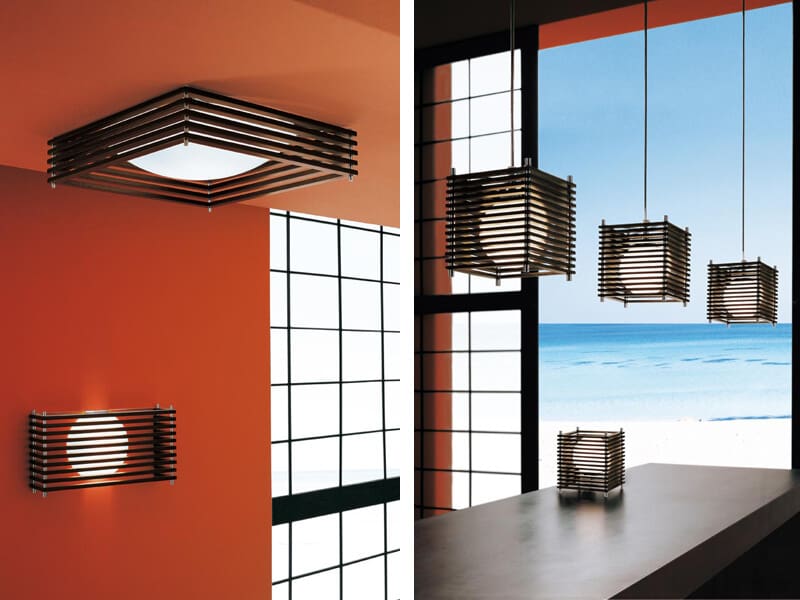
- Geometric Boldness: At the other end of the spectrum, bold geometric forms – spheres, cubes, and intricate linear compositions – are celebrated. These designs make strong architectural statements, defining space with their precise lines and powerful presence. Flos’s iconic Arco lamp, though a classic, exemplifies the enduring appeal of sculptural, functional art.
- Lighting as Installation Art: Some designers are creating modular systems that allow users to configure unique installations, transforming entire walls or ceilings into dynamic light sculptures.
Based on testing various fixtures, the tactile quality and visual impact of these sculptural pieces are undeniable. They don’t just illuminate; they perform, adding a layer of sophisticated drama to any setting.
PAA: Which Italian brands are known for sculptural lighting?
Flos, Artemide, and Kartell are prominent Italian brands renowned for their sculptural lighting. Flos boasts iconic pieces like the Arco floor lamp, Artemide is known for designs like the Tolomeo and Tizio, while Kartell offers distinctive plastic designs such as the Bourgie and Planet lamps.
The Return of Maximalism and Decorative Grandeur
While minimalism has long held sway, there’s a distinct shift towards a more expressive, maximalist approach in decorative lighting. This trend celebrates richness, intricacy, and a playful disregard for stark simplicity.
- Bold Colors and Finishes: Expect to see a resurgence of vibrant hues and luxurious metallic finishes like brushed brass, antique bronze, and polished copper. These add warmth, depth, and a touch of glamour.
- Intricate Details and Textures: Designs feature elaborate patterns, delicate etching, and multi-layered compositions. Murano glass, in particular, is experiencing a renaissance, with artisans creating breathtaking chandeliers and pendants that are true works of art, often incorporating modern twists on traditional techniques. Brands like Barovier&Toso are masters of this intricate artistry.
- Reimagined Chandeliers: The classic chandelier is being reinterpreted with contemporary materials and modular designs, offering grand statements that blend historical opulence with modern sensibilities.
Design critics have noted this shift from stark minimalism, indicating a desire for spaces that feel more personal, layered, and emotionally resonant.
Material Innovation: Textures and Transparency
Italian designers are masterfully experimenting with materials, pushing the boundaries of traditional substances and embracing new composites to achieve unique lighting effects and tactile qualities.
- Blown Glass Redefined: Beyond Murano’s traditional beauty, designers are exploring new ways to manipulate blown glass – adding textures, creating gradient effects, or combining it with other materials like metal and fabric for striking contrasts. Foscarini’s Caboche lamp, with its sphere-within-a-sphere design, beautifully illustrates the interplay of transparency and texture.
- Advanced Polymers and Composites: Lightweight, durable, and highly malleable, new polymer blends allow for previously impossible forms and intricate light diffusion. These materials often enable greater freedom in design, allowing for large-scale yet ethereal fixtures.
- Fabric Diffusers: Elegant fabric diffusers are making a comeback, offering soft, diffused light that creates a cozy and inviting atmosphere. These can be intricately pleated, stretched over sculptural frames, or woven with metallic threads for added shimmer.
Handling prototypes with innovative polymer blends reveals how texture can profoundly alter light perception, adding depth and warmth to the emitted glow. The interplay of light and shadow on these textured surfaces is truly captivating.
Human-Centric Lighting (HCL) and Wellbeing
Building on the smart lighting trend, Human-Centric Lighting (HCL) is gaining significant traction, focusing on how lighting can positively impact human health, mood, and performance.
- Circadian Rhythm Support: HCL systems are designed to synchronize with our natural circadian rhythms, emitting cool, bright light in the mornings to boost alertness and shifting to warmer, dimmer light in the evenings to promote relaxation and prepare for sleep.
- Personalized Environments: The ability to precisely control color temperature and intensity allows users to create optimal lighting conditions for various activities – whether it’s focused work, a family dinner, or a relaxing evening.
- Biophilic Design Integration: Connecting interiors with nature, biophilic lighting designs often incorporate natural forms, materials, and dynamic light patterns that mimic sunlight, reducing stress and enhancing a sense of well-being. Artemide has been a pioneer in integrating advanced HCL systems into architectural lighting solutions.
Studies have consistently shown that well-designed lighting significantly impacts mood, cognitive function, and overall health, making HCL a crucial trend for modern living.
PAA: How does Italian lighting contribute to wellbeing?
Italian lighting contributes to wellbeing through Human-Centric Lighting (HCL) principles, offering tunable white light to support circadian rhythms, personalized control for various activities, and designs that create aesthetically pleasing, calming, or invigorating atmospheres, often incorporating natural forms and materials.
Iconic Brands Leading the Way
Several Italian brands consistently define these trends, pushing the boundaries of design and technology:
- Flos: Renowned for its iconic, often sculptural designs and collaborations with world-famous architects and designers. Flos continually innovates, blending classic appeal with cutting-edge technology.
- Artemide: A leader in "The Human Light" philosophy, Artemide focuses on creating lighting that enhances human well-being through advanced optics, sustainable practices, and sophisticated smart systems.
- Foscarini: Celebrated for its expressive forms, bold material experimentation, and unique personality. Foscarini’s designs are often art pieces that challenge conventional notions of lighting.
- Luceplan: Known for its technical sophistication, clean lines, and commitment to environmental responsibility. Luceplan seamlessly integrates advanced technology with elegant, functional design.
Navigating the Future of Italian Lighting
The future of Italian designer lighting is a brilliant tapestry woven with threads of sustainability, technological innovation, and an unwavering commitment to artistic expression. Designers are increasingly challenged to create pieces that are not only beautiful but also intelligent, environmentally conscious, and deeply connected to human experience. This holistic approach ensures that Italian lighting will continue to set global benchmarks, inspiring designers and captivating homeowners for generations to come.
In my observation, the true genius of Italian lighting lies in its ability to adapt and evolve without losing its soul. It’s a continuous dialogue between tradition and modernity, craftsmanship and technology, always striving for perfection in illumination.
Conclusion
Italian designer lighting trends are a vivid testament to a heritage of excellence, an innovative spirit, and an unparalleled artistic vision. From eco-conscious LED solutions and intuitive smart lighting systems to breathtaking sculptural forms and a renewed embrace of decorative grandeur, Italian brands continue to illuminate modern interiors with unparalleled brilliance. These trends reflect a deeper understanding of light’s profound impact on our lives, offering not just illumination, but experiences, emotions, and a tangible connection to enduring design artistry. Investing in Italian designer lighting is an investment in timeless beauty, cutting-edge technology, and a commitment to shaping spaces that truly shine bright.
FAQ Section
Q: What makes Italian lighting so renowned?
A: Italian lighting is renowned for its exceptional craftsmanship, innovative design, high-quality materials, and a unique ability to blend artistic expression with functional excellence. It represents a long tradition of design leadership and a relentless pursuit of beauty and performance.
Q: Are Italian designer lights expensive?
A: Italian designer lights often represent a significant investment due to their superior design, quality materials, artisanal production, and advanced technology. While there are options across various price points, they are generally positioned as premium products built to last and become statement pieces.
Q: How do I choose the right Italian designer light for my home?
A: Consider your home’s aesthetic, the function of the light (ambient, task, accent), the size of the space, and your personal style. Research reputable brands like Flos, Artemide, and Foscarini, and look for designs that resonate with your taste and complement your existing decor. Consulting with an interior designer can also be beneficial.
Q: Where can I buy authentic Italian designer lighting?
A: Authentic Italian designer lighting can be purchased from authorized dealers, high-end lighting showrooms, reputable online retailers specializing in designer lighting, and directly from the brands’ official websites. Always ensure the seller is credible to avoid counterfeit products.
Q: What is the difference between Italian design and other European designs?
A: While all European designs share a commitment to quality, Italian design often stands out for its unique blend of artistic flair, historical craftsmanship (especially with materials like Murano glass), a bold approach to form, and a passion for luxury and emotional connection in design. It frequently balances cutting-edge innovation with a deeply ingrained sense of heritage and beauty.